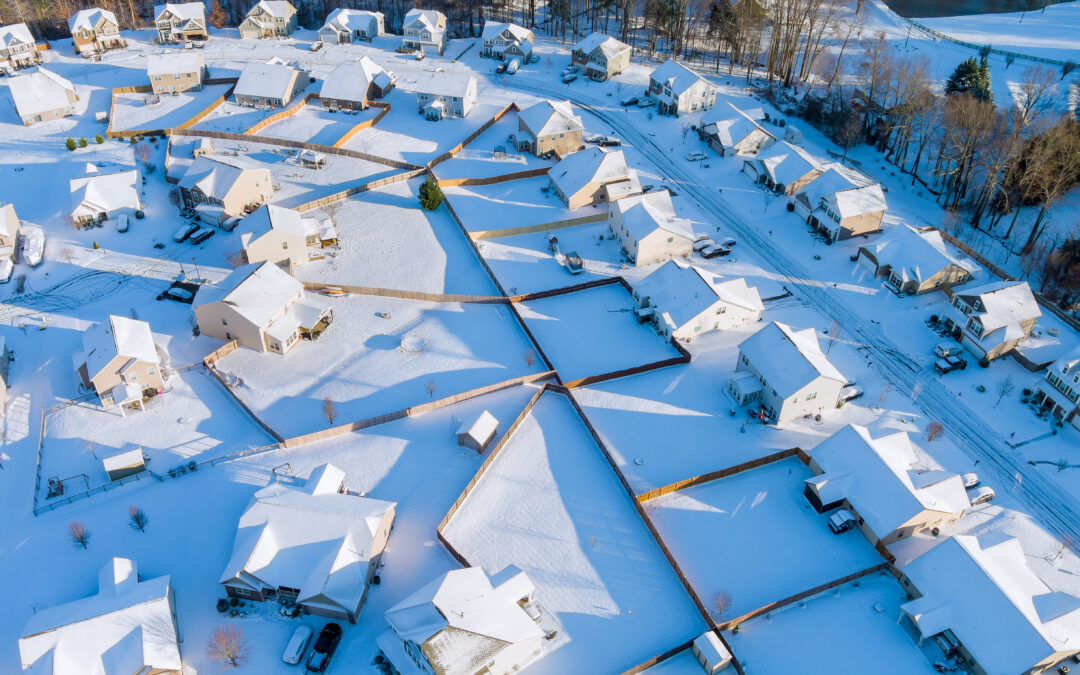
Minnesota homeowners face some of the most challenging weather patterns in the country, from heavy winter snow and freezing temperatures to summer storms with high winds. Understanding how to maintain a roof in harsh weather conditions is essential for protecting your home, extending the lifespan of your roof, and avoiding costly repairs. With proactive maintenance and regular inspections, you can ensure your roof protects your home from extreme weather conditions throughout every season.
Understanding How to Maintain a Roof in Harsh Weather Conditions in Minnesota
Minnesota’s climate creates a perfect storm of conditions that accelerate roof wear. The harsh Minnesota winter brings heavy snowfall and the formation of ice dams, while spring delivers torrential rains that test your roof’s drainage systems. Summer storms produce hail and strong winds that can dislodge loose shingles, and fall weather prepares your roof for the demanding winter months ahead.
These extreme temperatures and weather patterns require Minnesota homeowners to take a more active role in roof maintenance compared to homeowners in milder climates. The key is understanding which maintenance tasks align with each season and recognizing the signs of wear before small issues become significant damage.
Seasonal Inspection Schedule for Maximum Protection
Regular roof maintenance begins with consistent inspections that catch potential problems early. While a professional roof inspection provides the most thorough assessment, homeowners should also conduct visual checks throughout the year.
Essential inspection timing includes:
- Spring: After winter ice and snow melt, check for damage from ice dams and snow accumulation
- Summer: Perfect time for thorough inspections before fall storms arrive
- Fall: Prepare for the winter season by addressing any roof problems discovered
- Winter: Monitor for ice dam formation and excessive snow buildup
Professional expertise becomes particularly valuable during these inspections because trained eyes can identify structural damage and potential damage that might not be obvious to homeowners. Many contractors offer free roof inspections, providing peace of mind without upfront costs.
Winter Weather Maintenance: Preventing Ice Dams and Snow Damage
The colder months present the greatest challenges for Minnesota roofs. Heavy winter snow can create tremendous weight on your roof’s structure, while the cycle of snow melting and refreezing at the roof’s edge leads to ice dam formation.
Managing Snow Accumulation
When snow builds up beyond 12 inches, it’s a good idea to remove excess weight using a roof rake. This tool allows you to safely clear snow from ground level without climbing onto your roof during dangerous conditions. Focus on the lower sections where ice dams typically form, as this is where warm air from your attic meets freezing temperatures.
However, avoid aggressive scraping that could damage shingles. The goal is to reduce load, not achieve a completely bare roof.
Preventing Ice Dam Formation
Ice dams occur when heat escapes through your roof, causing snow to melt at the peak while refreezing at colder eaves. This creates a barrier that traps water, leading to roof leaks and water damage inside your home.
Effective ice dam prevention strategies include:
- Ensuring proper attic ventilation through ridge vents and soffit vents
- Adding proper insulation to prevent warm air from reaching the roof deck
- Sealing air leaks in your attic space
- Installing ice and water shield during roof replacements
- Maintaining clear gutters so melting snow can drain properly
Proper insulation and ventilation work together to keep your attic temperature consistent with outdoor conditions, eliminating the temperature differential that causes ice dams.
Storm Preparation and Post-Storm Assessment
Severe weather conditions from summer storms and winter storms both require proactive preparation. Before storm season, conduct thorough inspections looking for vulnerable areas that high winds could exploit.
Pre-Storm Checklist
Tree branches overhanging your roof pose a significant risk during strong winds. Trim any branches within six feet of your roof to prevent impact damage during storms. Secure or remove any loose items from your roof, including satellite dishes or decorative elements that could become projectiles.
Check that all shingles are properly fastened. Wind damage often begins with a few loose shingles that allow wind to get underneath and peel back larger sections. Traditional asphalt shingles are particularly vulnerable, while impact-resistant shingles and metal roofing provide superior wind resistance.
Post-Storm Inspection
After any severe weather event, inspect your roof for signs of damage. Look for missing or damaged shingles, dents in metal roofs or gutters from hail, and any visible roof damage to flashing or vents. Check your attic for water stains on the underside of the roof deck, which indicate active roof leaks.
Document any damage with photographs for potential insurance claims. Even if damage seems minor, having a professional assessment helps determine if minor repairs can prevent further damage or if more extensive work is needed.
→ Is your roof 20+ years old? Learn about the age of your roof and insurance coverage in our “What You Need to Know About the Age of Roof and Insurance” blog.
Year-Round Maintenance Tasks for Long-Term Protection
Consistent care throughout the year maximizes the life of your roof and prevents costly damage from developing. These routine tasks apply regardless of which roofing materials protect your home.
Gutter Maintenance
Clear gutters are essential for proper drainage. Clogged gutters force water to back up under shingles, leading to water damage and potential structural issues. Clean gutters at least twice yearly, in spring and fall, with additional cleaning if you have many trees nearby.
Ensure downspouts direct water at least six feet from your foundation. This proper drainage protects both your roof and your home’s structural integrity.
Addressing Algae Growth and Debris
Dark streaks on your roof indicate algae growth, which can reduce curb appeal and, over time, degrade shingle materials. While primarily cosmetic on traditional asphalt shingles, algae holds moisture against your roof surface.
Remove leaves, branches, and other debris promptly. Organic material traps moisture and can lead to mold growth and premature shingle deterioration. This becomes particularly important before winter, when trapped debris under snow creates ideal conditions for damage.
Monitoring Flashing and Sealants
Roof flashing around chimneys, vents, and skylights represents a common source of leak locations. Inspect these areas regularly for cracks, gaps, or deterioration. Sealants break down over time, especially under extreme temperatures and UV exposure.
Preventive Measures That Extend Roof Lifespan
Beyond reactive maintenance, several preventive strategies help your roof withstand harsh weather conditions more effectively. Choosing the right roofing materials during installation or roof replacements makes a significant difference in long-term durability.
Slate and metal roofs offer many benefits, including superior longevity and weather resistance when compared to standard asphalt shingles, though they require a higher initial investment. For homeowners with existing traditional roofs, proper attic ventilation and insulation improvements provide significant benefits for energy efficiency and roof protection.
Consider roof coatings for older roofs that still have structural integrity but show signs of wear. These protective layers can extend your roof’s life several years while improving reflectivity and energy efficiency during the summer months.
Recognizing When Professional Help Is Needed
While homeowners can handle visual inspections and basic maintenance, certain roofing needs require professional expertise. Emergency repairs after storm damage, addressing significant issues like large leaks or structural concerns, and any work requiring roof access in dangerous conditions should be left to professionals.
Regular professional roof inspection provides expert advice on your specific situation and can identify potential problems before they become major issues. This proactive maintenance approach saves money by addressing concerns when they’re still minor repairs rather than waiting for full roof replacement to become necessary.
Professional maintenance programs offer convenience and peace of mind, with scheduled inspections and priority service when urgent roofing needs arise.
→ Not sure if you need a roof repair or a full roof replacement? Learn how to tell the difference in our “Roof Repair vs Replacement: 5 Factors Minnesota Homeowners Need to Consider” blog.
Protect Your Investment with Expert Roof Maintenance
Understanding how harsh winters, summer storms, and constant weather extremes affect your roof empowers you to take preventive action. Regular maintenance, seasonal preparations, and prompt attention to damage keep your roof in good condition and protect your home through Minnesota’s demanding climate.
Ascension Roofing has served Minneapolis homeowners and the broader Twin Cities area for 15 years, providing comprehensive maintenance services and expert tips tailored to Minnesota’s unique challenges. As Owens Corning Preferred and CertainTeed Shingle Master contractors, we understand which roofing materials and maintenance approaches work for our climate. Contact us today to schedule your free roof inspection and discuss how our maintenance programs can extend the life of your roof while providing the practical advice you need to protect your home investment.