

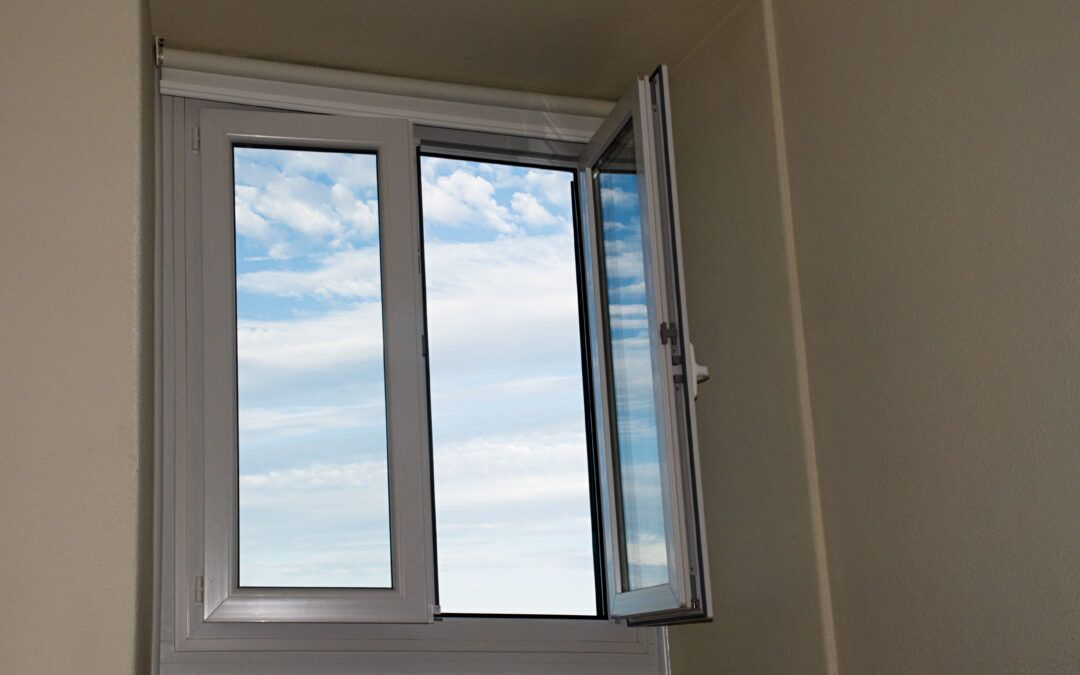
How often do windows need to be replaced? Most windows last between 15 and 30 years, depending on the material, window installation quality, weather exposure, and maintenance. If your windows are drafty, difficult to open, fogging between the panes, or allowing your energy bills to climb, they may be ready for replacement even if they have not reached that age. For homeowners in Isanti, MN, where windows must stand up to freezing winters, humid summers, and frequent temperature swings, recognizing these signs early can help prevent higher energy costs and improve year-round comfort.
Windows are designed to protect your home from the elements while letting in natural light. Over time, even well-built windows wear out. Understanding what affects their lifespan and knowing when repairs are no longer enough can help you make an informed decision about replacing them.
How Often Do Windows Need to Be Replaced?
There is no single window replacement schedule that works for every home. While many windows remain in good condition for two or three decades, others begin showing problems much sooner because of weather, poor installation, or lack of maintenance.
In Minnesota, windows experience more stress than they would in milder climates. Long winters expose them to freezing temperatures, snow, and ice, while hot summers cause materials to expand and contract. This constant movement can wear down seals, frames, and hardware over time.
Instead of focusing only on age, pay attention to how your windows perform. If they are no longer keeping your home comfortable or operating properly, replacement may be the better investment.
How Long Different Window Materials Last
The material your windows are made from plays a major role in their expected lifespan.
Vinyl windows generally last between 20 and 30 years. They require very little maintenance and resist moisture, making them one of the most popular choices for homeowners.
Wood windows can also last 20 to 30 years or longer, but only when they receive regular maintenance. Painting, staining, and sealing help protect the wood from moisture that can eventually lead to rot.
Fiberglass windows are among the longest-lasting options available. Many continue performing well for 30 to 40 years because they resist warping and tolerate temperature changes better than many other materials.
Aluminum windows often last 20 to 30 years. While durable, they transfer heat more readily than vinyl or fiberglass, making them less energy efficient during Minnesota’s cold winters.
Signs Your Windows Need Replacement
Windows rarely fail overnight. Most develop gradual problems that become more noticeable over time.
See a Window Replacement in Action
Wondering what a professional window replacement looks like? Watch this short video to see the installation process and what to expect before starting your own project.
Drafts That Never Go Away
One of the first signs homeowners notice is a draft around the window. Even when the window is fully closed, outside air may find its way inside because worn seals, damaged weather-stripping, or aging frames no longer create a tight barrier.
Drafts do more than make a room uncomfortable. They force your heating and cooling system to work harder, often leading to higher utility bills throughout the year.
If replacing weather-stripping or caulking does not solve the problem, the window itself may have reached the end of its useful life.
Windows Become Hard to Open
Windows should open, close, and lock without excessive force.
If you struggle every time you raise a sash or lock the window, the frame may have shifted over the years. Moisture, repeated freeze-thaw cycles, and general wear can all affect how smoothly windows operate.
Besides being frustrating, windows that no longer function properly can become a safety concern during emergencies when quick exits are necessary.
Condensation Between Glass Panes
Modern double-pane and triple-pane windows rely on sealed spaces filled with insulating gas. When those seals fail, moisture enters between the panes. Unlike condensation that forms on the inside of your home during humid weather, condensation trapped between the glass cannot simply be wiped away.
Fogged glass is usually a sign that the insulated unit has failed and is no longer providing the level of energy efficiency it once did.
Rising Heating and Cooling Costs
Older windows often lose their insulating ability long before they completely fail. If your furnace seems to run constantly during an Isanti winter or your air conditioner struggles to keep rooms cool in summer, inefficient windows may be allowing too much heat transfer.
Replacing aging windows with modern energy-efficient models can help stabilize indoor temperatures while reducing monthly energy costs.
Learn more about insurance covering window replacements in the Twin Cities here: Does Home Insurance Cover Window Replacement Costs? How to Navigate the Claims Process
Visible Damage Should Not Be Ignored
Some problems are easy to spot and deserve immediate attention. Cracked glass weakens the entire window and increases the risk of additional damage. Water can also find its way through damaged glass, creating problems inside the home.
Wood frames should also be inspected regularly. Soft spots, peeling paint, mold, or areas that crumble under light pressure often indicate moisture damage. Once rot spreads into the frame, replacement is typically more practical than repair.
Warped frames are another common issue, especially after years of exposure to changing temperatures. When the frame no longer sits square, gaps develop that allow air and moisture inside.
These issues often begin as small maintenance concerns but can eventually affect both the appearance and performance of your home.
When Can Windows Be Repaired?
Not every window problem requires replacement. Simple issues such as damaged screens, worn weather-stripping, loose hardware, or deteriorated caulking can often be repaired without replacing the entire unit.
However, repairs become less worthwhile when multiple problems appear at once or when the window is already nearing the end of its expected lifespan.
For example, replacing a broken lock makes sense on a relatively new window. Spending money to repair a 25-year-old window with broken seals, warped frames, and poor insulation usually does not.
A professional inspection can help determine whether repairs will solve the problem or simply delay an inevitable replacement.
Why Homeowners Choose New Windows
Window replacement is often about more than fixing a problem. Many homeowners notice improvements throughout their home after installing new windows.
Better Energy Efficiency
Today’s windows are built with advanced insulation technology that was unavailable just a few decades ago. Features like Low-E glass coatings, insulated frames, and multiple panes help reduce heat transfer throughout the year.
For homeowners in Isanti, this means warmer rooms during winter, cooler interiors during summer, and a heating and cooling system that does not have to work as hard.
Greater Comfort Throughout the Home
Drafty windows can create rooms that are noticeably colder or warmer than the rest of the house. Replacing outdated windows helps eliminate those uncomfortable temperature differences and creates a more consistent indoor environment.
Many homeowners also notice less outside noise after upgrading to modern insulated windows.
Improved Appearance
New windows can dramatically change how a home looks from both the inside and outside.
Whether you own a traditional farmhouse, a newer suburban home, or a cabin-style property common throughout central Minnesota, updated windows can enhance curb appeal while complementing your home’s architecture.
Natural light often improves as well, making living spaces feel brighter and more inviting.
Increased Home Value
Buyers often pay close attention to windows during a home inspection. Knowing that the windows have recently been replaced provides confidence that they are purchasing a home with fewer immediate maintenance concerns.
While every real estate market is different, updated windows remain one of the improvements many buyers appreciate.
Should You Replace Every Window at Once?
Some homeowners replace windows one room at a time to spread out the investment. Others prefer replacing every window during one project.
Replacing all windows together creates a consistent appearance and ensures every room benefits from improved energy efficiency. It also avoids the challenge of trying to match new windows with discontinued styles years later.
The right approach depends on your home’s condition, your budget, and how many windows are already showing signs of failure.
Extending the Life of Your Windows
Although replacement eventually becomes necessary, regular maintenance can help windows perform well for many years. Cleaning frames and tracks, inspecting caulking annually, replacing worn weather-stripping, and keeping drainage channels free of debris all help prevent unnecessary wear.
Wood windows also benefit from routine painting or sealing to protect them from moisture. Scheduling periodic inspections allows small issues to be corrected before they become expensive repairs.
Making the Right Decision
Window replacement is a significant investment, but waiting too long can increase heating costs, reduce comfort, and allow moisture problems to develop inside your home.
If your windows are becoming difficult to operate, showing signs of seal failure, or no longer keeping your home comfortable during Minnesota’s changing seasons, it may be time to consider replacement.
A professional evaluation can help you determine whether repairs are still worthwhile or whether new windows will provide better long-term value.
Upgrade Your Windows With Confidence
If your windows are showing their age, Ascension Roofing & Siding can help you determine the best solution for your home. We provide expert window replacement services for homeowners throughout the Twin Cities, installing quality windows designed to improve comfort, energy efficiency, and curb appeal. Contact our team today to schedule a consultation and learn how new windows can protect and enhance your home for years to come.